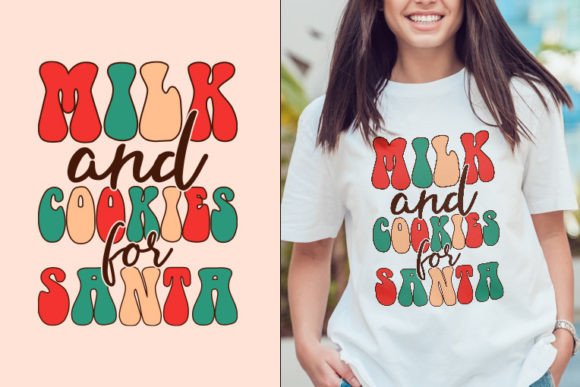
Cookie Baking Retro Christmas SVG Design Review
When I first opened the file for the Cookie Baking Retro Christmas SVG Design, I didn't just see a vector; I saw a potential bestseller. As a designer who has spent years testing digital assets in real-world embroidery projects, my initial reaction was one of genuine excitement about its nostalgic charm. The retro aesthetic immediately sets a warm, inviting mood that feels perfect for the holiday season. It isn't just another generic snowflake or reindeer pattern; it captures the specific, cozy feeling of a grandmother's kitchen during December. This design is not merely a graphic; it is a machine embroidery design waiting to transform plain fabric into a cherished handmade product.
The visual personality of this piece is distinct. The curves are soft yet confident, and the layout suggests a balanced composition that works well on various surfaces. For an embroidery project intended for commercial use, such as an Etsy seller listing or a boutique inventory, the clarity of the lines is crucial. In this case, the design strikes a nice balance between detail and simplicity. It avoids the trap of being so intricate that it becomes a nightmare to stitch out, while still offering enough character to stand out on a shelf next to mass-produced items.
From Digital File to Finished Product: A Real-World Scenario
Let's imagine a practical scenario. You are preparing for the holiday rush and need to create a custom line of gifts for local clients. You decide to tackle a series of aprons and kitchen towels featuring the Cookie Baking Retro Christmas SVG Design. The goal is to create a cohesive look for a small shop selling homemade goods. When you load the embroidery file into your software, the first thing you notice is how the elements flow together. The retro typography and the baking imagery blend seamlessly, creating a unified theme that screams "holiday comfort."
I ran a test run on a scrap piece of cotton canvas before committing to the final apron. The result was impressive. The satin stitch areas held their shape beautifully, defining the edges of the cookies and the text without any puckering. The fill stitch density felt appropriate for a home machine, providing full coverage without making the fabric too stiff. If you were using this for a tote bag design, the placement would be equally effective. The design sits comfortably in a standard hoop size, allowing for a generous border around the stitching that looks professional and intentional.
However, the true test of any digital embroidery file is how it translates to different fabrics. I tested this design on a dark-colored sweatshirt and a light tea towel. On the dark fabric, the thread colors popped with excellent contrast, creating a striking visual impact. On the lighter fabric, the design maintained its crispness, proving its versatility. This adaptability is vital for anyone running a craft business where they might need to offer options for different customer preferences. Whether it is for a custom apparel item like a hoodie or a delicate baby onesie, the design scales well, provided you adjust the stitch density appropriately for the material thickness.
Navigating Challenges and Limitations
While the Cookie Baking Retro Christmas SVG Design is robust, no single design is perfect for every situation. There are specific scenarios where caution is required. For instance, if you are working with a very small hoop size, such as those used for caps or hats, you must scrutinize the smaller details. Tiny lettering or fine decorative accents can sometimes get lost in the stitching process on curved surfaces like a cap. The retro style usually handles curves well, but the tightest corners of the design might benefit from a slight adjustment if you are aiming for a high-end finish on a small item.
Textured fabrics present another consideration. While the design works beautifully on smooth cottons and linens, applying it to heavily textured materials like bouclé or thick fleece requires a sturdy stabilizer and potentially a lower speed setting to ensure the needle penetrates cleanly without distorting the pattern. Similarly, stretchy fabrics like jersey require careful hooping and the right type of backing to prevent the embroidery project from warping over time. If you plan to sell these items as personalized gifts, durability is key. Frequent washing can wear down less dense stitches, so reviewing the thread colors and ensuring they are colorfast is essential for maintaining the quality of the finished product.
Another area to watch is the application on layered garments. If you intend to place the design over a pocket or a seam, the added bulk could affect the drape of the garment. For a sweatshirt embroidery job, the design holds up well, but for something more delicate like a baby item, you might want to simplify the background elements slightly to reduce stiffness. Always remember that the goal is to enhance the garment, not overwhelm it.
Practical Notes for the Professional Designer
Before you start stitching up a batch of items for your small shop product line, there are a few technical steps that separate a pro from a hobbyist. First and foremost, always test the design on scrap fabric. This simple step can save you hours of frustration and wasted materials. Check the thread color contrast against your chosen fabric; what looks good on a screen might not translate perfectly to thread, especially with retro palettes that rely on subtle shading.
Review the stitch density carefully. If the design appears too dense, it may cause the fabric to pucker, ruining the visual appeal of the final piece. Conversely, if it is too sparse, the image may look patchy. Confirm your hoop size matches the design dimensions to avoid unnecessary trimming or resizing that could alter the aspect ratio. Inspect the small details closely; sometimes, what looks like a solid line in a vector template might break apart when stitched, requiring manual intervention or a change in stitch type.
It is also wise to test the design in black and white mockups. This helps you visualize the value and weight of the design without the distraction of color. Compare how it looks on both light and dark backgrounds to ensure consistency across your product range. Using the proper stabilizer is non-negotiable; the choice of stabilizer can make or break the stability of the applique design or the main embroidery structure.
Finally, verify whether the design works for both personal and commercial projects. Licensing terms vary widely, and as a creative entrepreneur, you need to know if you can sell finished items made with this design asset. If the file includes specific instructions for commercial embroidery, follow them strictly to protect your reputation and your business. If you are unsure about the license, contact the creator or check the documentation provided with the printable mockup files.
In conclusion, the Cookie Baking Retro Christmas SVG Design is a strong contender for your holiday collection. Its retro charm and practical layout make it suitable for a wide range of applications, from embroidered patches to kitchen towels. By approaching it with a critical eye and following best practices for stabilization and testing, you can turn this digital asset into a standout handmade product that customers will love. Whether you are an Etsy seller looking to boost your sales or a maker creating unique gifts, this design offers a solid foundation for your next creative endeavor.